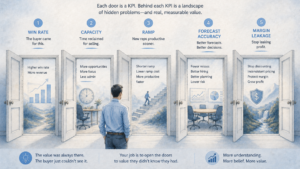
The Value Was Always There
Buyers don’t pay for the value you create. They pay for the value they can see. I’m writing a book called Buyer Disconnect, about the

Buyers don’t pay for the value you create. They pay for the value they can see. I’m writing a book called Buyer Disconnect, about the
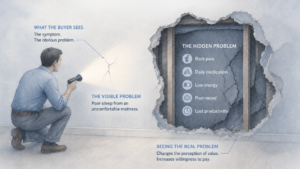
A friend of mine bought a new mattress because her old one was uncomfortable and she wasn’t sleeping well. That was the problem she recognized.
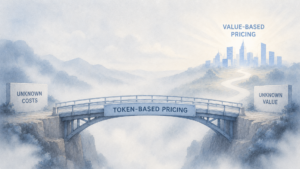
I’ve spent decades arguing against cost-plus pricing, and token-based pricing is simply cost-plus. So when I say token-based pricing makes sense right now, I want
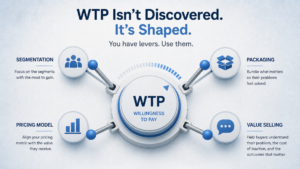
Most pricing experts want to know what buyers are willing to pay. So they measure it. Van Westendorp asks buyers directly about price thresholds. Gabor-Granger

Last week I introduced the Notice, Decide, Commit framework. The gap between Decide and Commit is where deals die. This week I want to talk
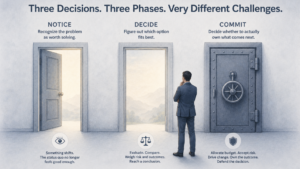
For more than a century, marketers have lived by AIDA: Attention, Interest, Desire, Action. It’s a brilliant framework — for sellers. The whole thing is
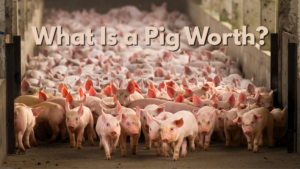
I recently listened to a Radiolab episode called “What Is a Pig Worth?” It’s a fascinating look at an animal-rights case that forced a jury
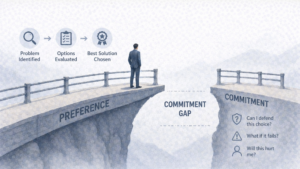
Something strange happens in buying decisions that almost nobody talks about. A buyer does everything right. They identify a real problem. They evaluate their options
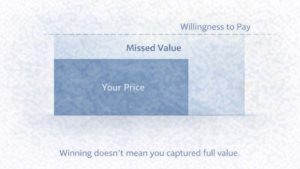
You can listen to the full audio version of this blog we call — Buyer Insight. Good companies study their losses. Win–loss reviews, pipeline analysis, postmortems

You can listen to the full audio version of this blog we call — Buyer Insight. Every pricing conversation eventually lands in the same place. Charge