Pricing AI Is Hard Part 1: SaaS Could Afford to Be Wrong. AI Can’t.
SaaS companies could afford to be wrong about value. With near-zero marginal costs, even a badly chosen pricing metric left the business profitable. You left

SaaS companies could afford to be wrong about value. With near-zero marginal costs, even a badly chosen pricing metric left the business profitable. You left
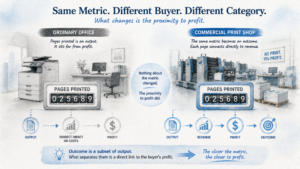
Daniel Cho challenged an example I’d been using in a LinkedIn conversation. The more I tried to defend my original thinking, the less convinced I
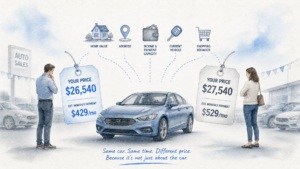
Buying a Car You pull into the lot. Before you reach the door, someone has looked at what you drove in on and formed an
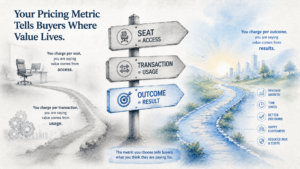
Your pricing metric is not just a billing mechanism. It is a statement of belief about where value lives. When you charge per seat, you
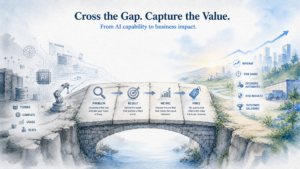
An August 6th Investor’s Business Daily article titled Software Stocks Fall As Datadog, HubSpot Earnings Raise Questions Over AI Pricing reported that Datadog stock fell
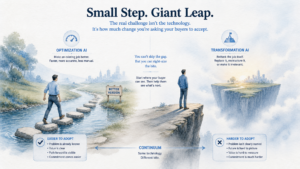
Pricing AI is hard. Selling AI is hard. Marketing AI is hard. Most companies blame the technology. The real issue is how much change they
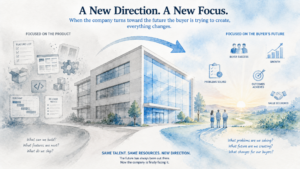
This is the fourth and final post in a series on Product Myopia. If you missed the first three, I introduced the disease, showed you
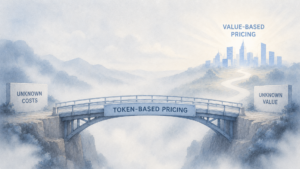
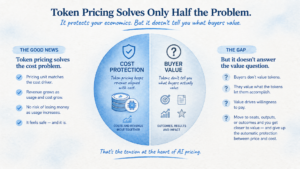
You can listen to the full audio version of this blog we call — Buyer Insight. I’ve spent decades arguing against cost-plus pricing, and token-based pricing

You can listen to the full audio version of this blog we call — Buyer Insight. I recently listened to a Radiolab episode called “What Is
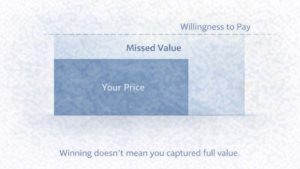
You can listen to the full audio version of this blog we call — Buyer Insight. Good companies study their losses. Win–loss reviews, pipeline analysis, postmortems